
Clearing a commercial premises is a different animal from clearing a house, and not for the reason people expect. The lifting is much the same. What is different is that a business has obligations a household does not, and they all come due at once, usually in the week the lease ends.
We do commercial clearances across Cornwall and Devon, from single offices above shops in Truro to workshops and retail units. Here is what actually needs thinking about.
Start from the lease, not the furniture
The date that matters is rarely the date you are moving out. It is the date in the lease.
Most commercial leases carry dilapidations obligations: the premises go back in a defined condition, and if they do not, the landlord's surveyor prices the difference and sends you the bill. That bill is routinely larger than the clearance would have been.
So before anybody books a van, read the lease, or get whoever holds it to tell you three things. What condition is the unit supposed to be in. Does that include removing partitions, signage, flooring or anything you fitted. And what is the actual date.
We cannot advise on the lease. But we can tell you that the jobs which go wrong are the ones where somebody discovered on the Wednesday that the mezzanine had to come out by the Friday.
Data is the one people get wrong
This is the most serious point on the page and it takes about a minute to get right.
Anything in a commercial clearance that has ever held data is a liability until it is dealt with properly: computers, laptops, servers, external drives, backup tapes, phones, and the one everybody forgets, the multifunction photocopier in the corner, which on most modern machines has a hard drive inside it holding images of everything it has ever scanned or printed.
Paper is the same. Personnel files, customer records, invoices, the filing cabinet nobody opened since 2019.
Data protection obligations do not end because a business is closing or moving. If records go out in a general load and turn up somewhere they should not, that is the business's problem, not the clearance firm's.
So separate it before we arrive. Tell us what is data-bearing and we will handle it apart from everything else, or arrange proper destruction with a certificate. What we will not do is quietly put a photocopier in the back of the van with the desks. If you have not thought about it, we will raise it at the quote.
Electricals and WEEE
Business electrical waste goes through the WEEE route and it is not the same regime as household. Offices generate a lot of it: monitors, printers, kettles, fridges, comms equipment, cabling, and the box of old phones in the stationery cupboard.
It has to be separated and it has to be documented. Again, that is your obligation as the business producing the waste, which is why the paperwork from the clearance matters more here than on a house.
What your accountant and your landlord will want
Every commercial job should leave you with three things.
- A waste transfer note. Businesses have a documented duty of care over their waste. It is not the optional extra it sometimes is for a householder.
- Photographs of the unit cleared, dated. If there is any argument later about the condition it went back in, this is what settles it.
- A proper invoice that describes what was done, because a clearance is usually a deductible business cost and a one-line invoice saying "clearance" helps nobody at year end.
We provide all three as standard.
What tends to be worth something
Commercial clearances often recover more value than domestic ones, which surprises people.
Catering equipment holds its value well. So do good quality office chairs, and anything stainless. Workshop tools and machinery, shop fittings, shelving, and racking all have a genuine second hand market. Desks, sadly, mostly do not, and neither do older monitors.
Whatever we recover goes through our own auctions and resale channels and comes off the clearance cost, which for a commercial job can be a substantial reduction. Where something is better suited to auction, the proceeds come back to you after the sale.
Timing and access
The practical constraints in commercial work are rarely about volume. They are about access: loading bays, shared service yards, lifts in an office building, parking on a narrow street in Falmouth or St Ives, and landlords who only allow removals outside trading hours.
Tell us about all of that at the quote stage rather than on the day. We would much rather plan an evening job than turn up at ten to find the yard blocked.
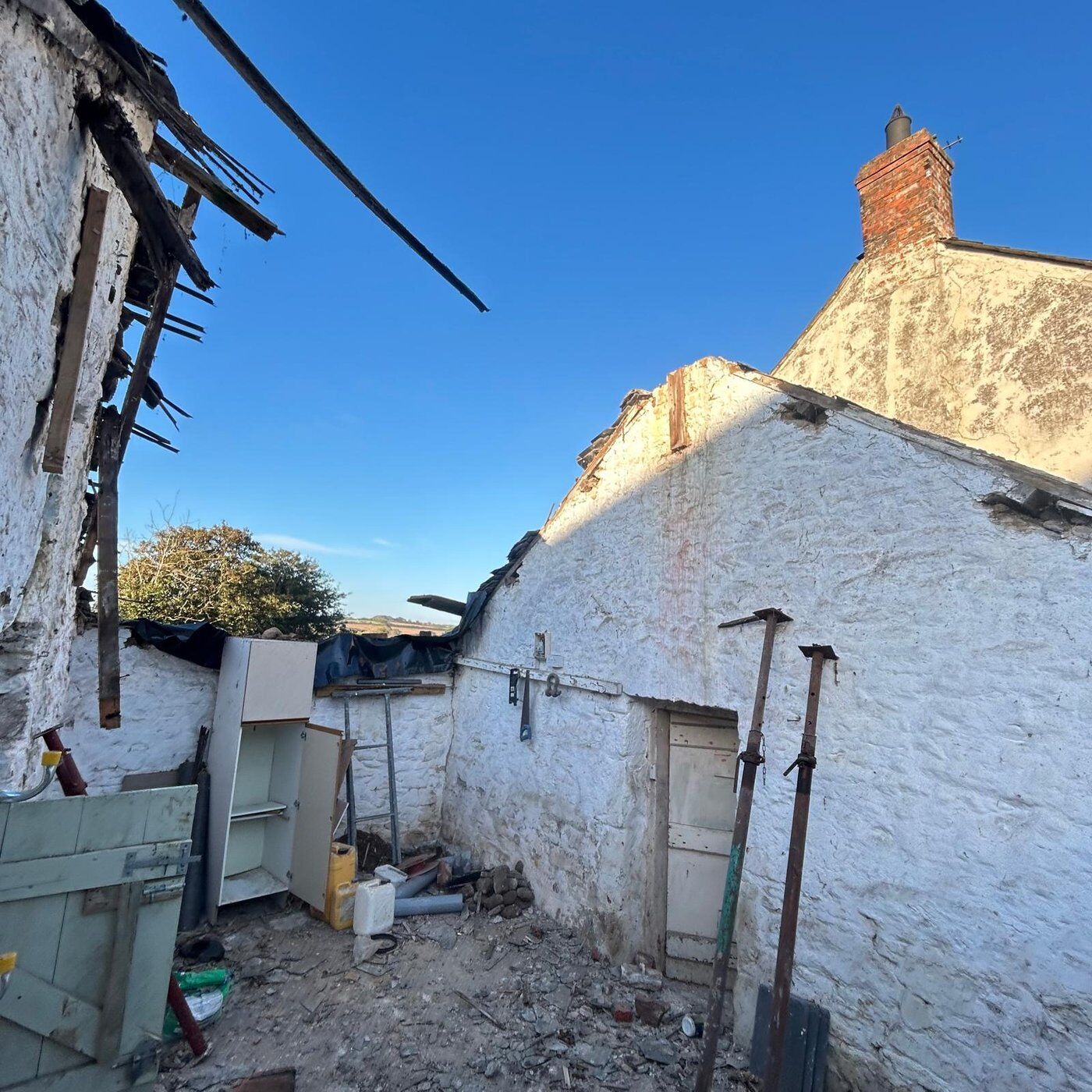
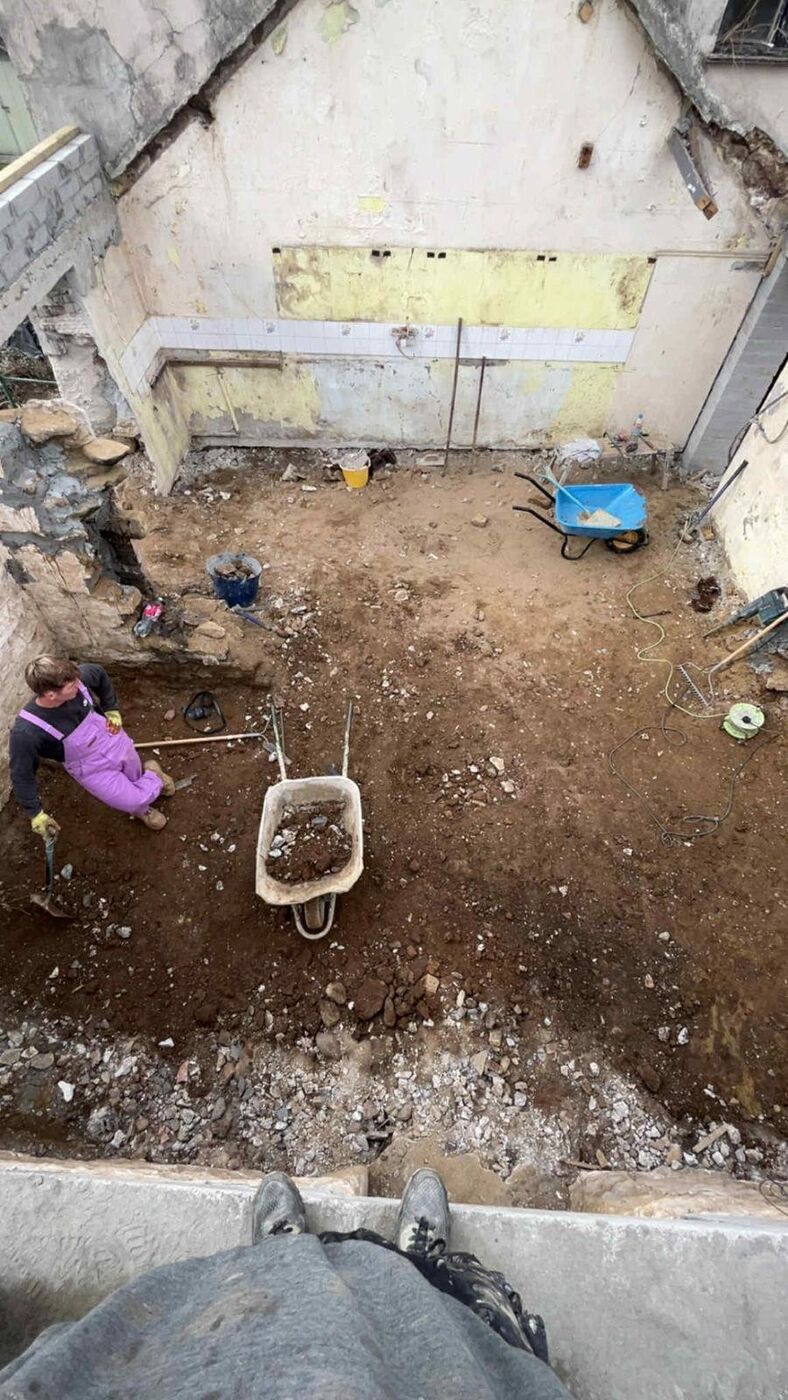
If the premises are being refitted rather than vacated, we also take construction waste, and we do commercial cleaning afterwards so the unit goes back clean as well as empty.
Across Cornwall and Devon
Offices, retail units, workshops, salons, cafes, industrial premises and storage units. We are based in Hayle and cover the county and across into Devon, including Plymouth and Exeter.
Call 07843 930927 or email info@lanorahouse.com. We will come and look, and you get a clear written price with no obligation.