
The gap between one tenant leaving and the next one moving in is the only part of a letting that earns nothing. Everybody in the business knows it, and yet the clearance is routinely the last thing anybody organises, usually on the Friday afternoon when the check-out report lands and somebody realises the flat is still half full.
We do end of tenancy clearances across Cornwall, mostly for agents and landlords, and this is what we have learned about making that gap shorter.
Book the clearance before the check-out, not after
This is the single biggest thing, and almost nobody does it.
You usually know weeks in advance that a tenancy is ending. You do not know exactly what is being left behind, which is why people wait. But you do not need to know. Book a provisional slot for the week after the tenancy ends, and tell us to expect somewhere between nothing and a full flat. If the tenant leaves it spotless, you cancel and it has cost you a phone call. If they leave three rooms of furniture, you are not then waiting a fortnight for a slot in the middle of August.
Summer in Cornwall is the crunch. Between June and September everybody with a van is busy, and an agent who rings on the day is joining a queue behind people who planned ahead.
What gets left behind, in order of how often
After enough of these you could write the list before you open the door:
- Beds. Nobody takes a divan base to a new flat. Mattresses and bases turn up in nearly every end of tenancy job and they are the biggest single line in the disposal cost.
- Flat pack furniture. Bought for this tenancy, dismantled once, and not worth the van space to move again. Often already half apart in the hallway.
- The contents of the kitchen cupboards. Half a bag of rice, cleaning products, a George Foreman grill. It is a surprising amount of volume.
- Bags of clothing and bedding, sometimes stacked by the door as if collection had been arranged, which it had not.
- The garden. Nobody cuts a hedge on the way out. A garden clearance is worth pricing at the same time rather than discovering it later.
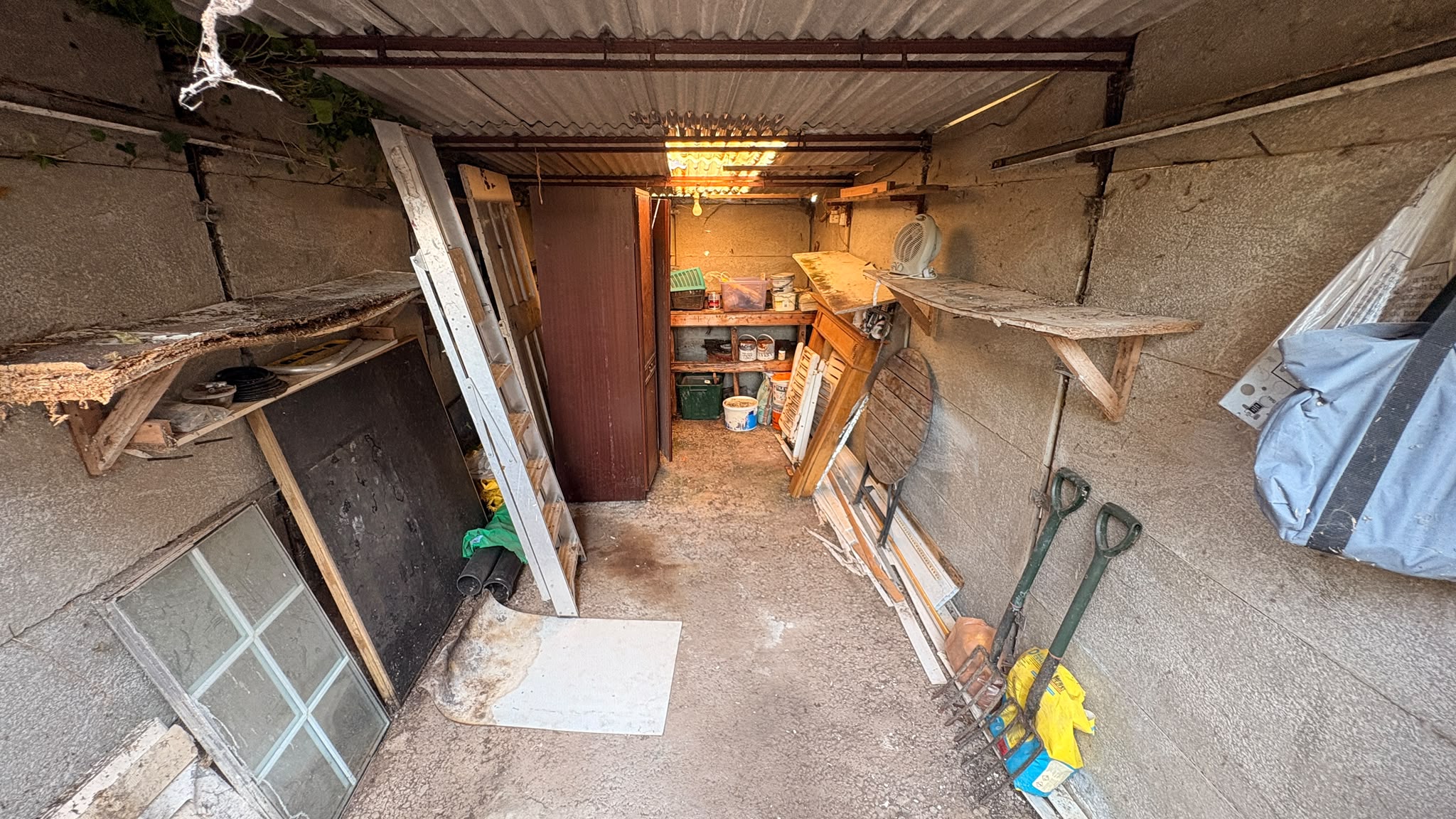
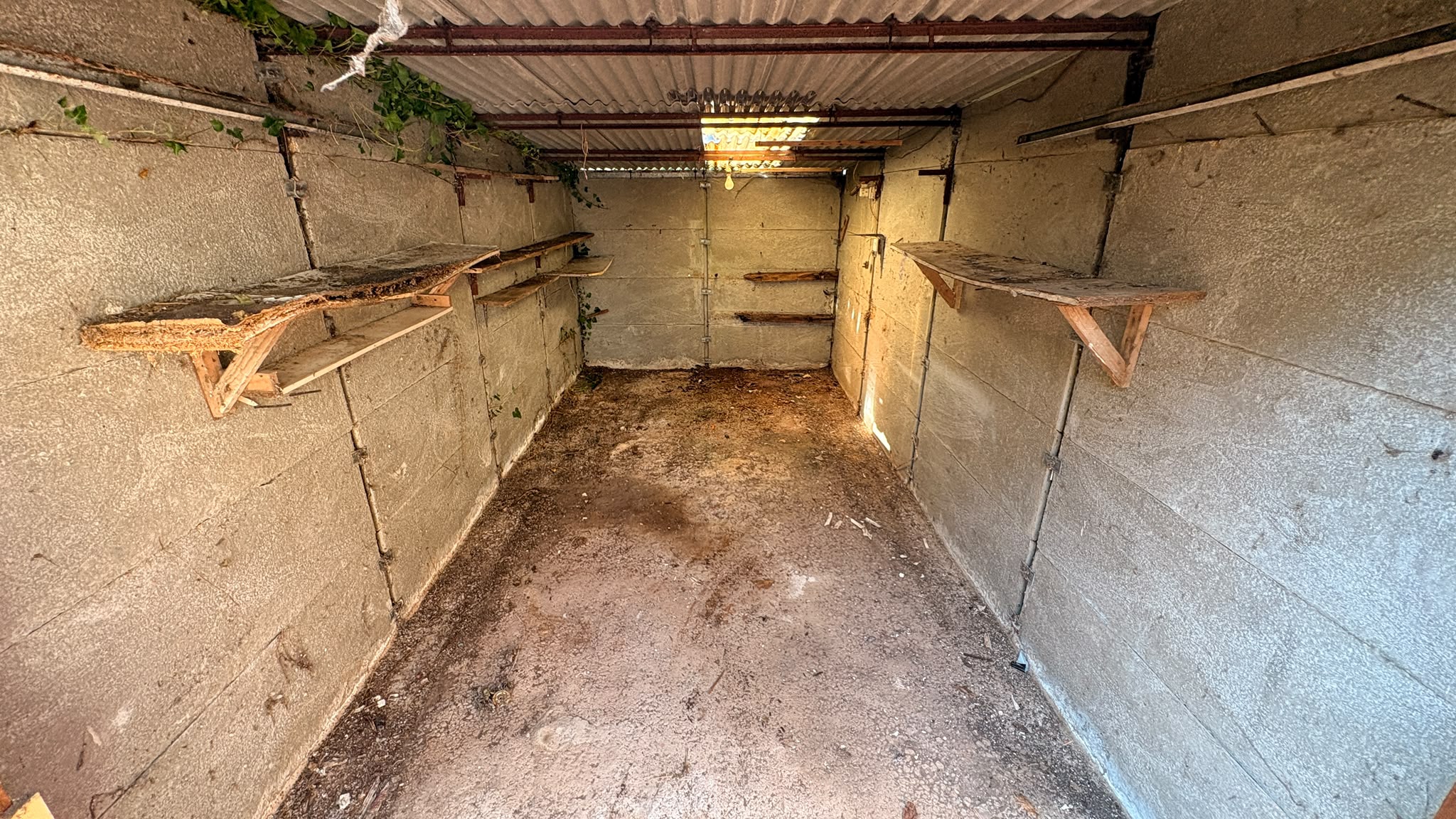
- A shed or garage that the tenancy agreement barely mentioned and that turns out to be full.
Deposits, and why photographs matter more than descriptions
If there is any chance of a deposit dispute, the clearance is the moment your evidence either exists or does not, because after we have been the property is empty and nothing can be reconstructed.
We photograph every room before anything moves, and again once the property is clear. Same rooms, same angles, dated. That set of pictures has settled more than one argument for our customers, and it costs you nothing because we do it on every job as standard.
What we will not do is tell you whether something counts as fair wear and tear. That is between you, the tenant and the deposit scheme. We just make sure there is a record.
The bit landlords get wrong
A tenant's possessions left in a property are not automatically yours to dispose of because the tenancy has ended. There is a process, and a clearance firm emptying the place does not substitute for it.
If what you describe on the phone sounds like abandoned goods rather than rubbish left behind, we will say so and suggest you take proper advice before we take anything away. We are not solicitors. But we would rather have that conversation and lose a booking than watch a customer walk into a claim.
Clearance, then cleaning, in that order
Cleaning an occupied-looking property is a waste of money. Every surface has to be done twice, once around the furniture and once when it has gone.
So it goes clearance first, then end of tenancy cleaning, ideally on consecutive days with the same firm so nobody is waiting on anybody. We can do both. Carpets are the thing to decide early: if a carpet is coming up rather than being cleaned, that changes the order of operations and the price of both jobs.
Turnaround
A standard two bed flat is a day. A furnished three bed house with a garage is usually two. What actually adds days is not the work, it is the decisions: waiting to hear whether the sofa stays, whether the garden is in scope, whether the tenant is coming back for the boxes in the spare room.
Agents who work with us regularly tend to settle into a simple pattern. Keys to us, a scope agreed on the phone, photographs back the same day, invoice to the landlord. Nobody has to drive out to Bude to stand in an empty hallway.
The paperwork
You have a duty of care over waste that comes out of your property, and it does not transfer away just because somebody else loaded the van. Ask for the company's Environment Agency waste carrier registration and check it, and make sure you get a waste transfer note. We issue one on every job.
If a price comes in well under everyone else's and the company gets vague about either of those, that is the explanation for the price.
Across Cornwall
We cover the county and into Devon, and student and holiday-let turnarounds in Falmouth, Truro, Newquay, Penzance and St Ives are routine for us. Where a property has been standing empty for months rather than weeks, our guide to void property clearance covers that instead.
Anything of value that comes out goes to our own auctions and resale channels and the value comes off the bill. On an end of tenancy job there is often nothing, and we will tell you that rather than imply otherwise.
Call 07843 930927 or email info@lanorahouse.com. Send photographs and we will come back to you quickly, or we will come and look.