
Most people who ring us about a hoarded property spend the first two minutes apologising. They do not need to. We have been in hundreds of these houses and there is nothing you can describe on the phone that will shock us.
What we can tell you is that hoarding clearance is a different job from ordinary clearance, and the firms who treat it as the same job are the ones who make things worse. Here is how we do it.
The person comes before the property
If the person who lives there is still alive and still in the house, the clearance goes at their pace. Not ours, not a landlord's, and not that of the relative who booked it.
That is not a nicety. Forced clearances do not work. There is good evidence that a property emptied against the wishes of the person living in it fills up again, often within months, because nothing about the situation has changed except that someone has had their belongings taken off them. We have seen it, and been called back to houses we cleared two years earlier.
So we work with the person. They decide what leaves. If that means the first day covers one room instead of three, the first day covers one room.
Where the person has died, or has moved into care, the job is different and usually faster, but the care we take with what we find does not change.
What we will not do
- We do not turn up unannounced. If a family member books us without telling the person who lives there, we will not go in on that basis.
- We do not throw anything without agreement. That includes things that look obviously like rubbish to everybody else, because it often is not.
- Nothing is published without permission. We photograph every job for the work itself, for insurance and for a record. Where before and after pictures appear on our website, it is with the agreement of the person or the family whose property it was, and never with anything identifying in shot. If you would rather we showed nothing at all, say so and we will not.
- We do not bring more people than we need. Two familiar faces in a house is manageable. Six strangers in high-vis is not.
How the work actually goes
We come and look first, free, and that visit is mostly about working out two things: what is in the property, and who is making the decisions.
Then, typically:
- Start with a clear route. Hallways, stairs, doorways. A safe path through the house makes everything else possible and takes the immediate fire risk down straight away.
- Work one room at a time, and finish it. Half-finished rooms all over a house are demoralising for everybody.
- Sort in three piles, in front of the person. Keeping, unsure, going. The unsure pile is the important one. It stays in the house overnight.
- Look for the valuables, because they are there. Cash in books, jewellery in tins, documents in carrier bags. In hoarded properties these turn up constantly and anything we find stops and goes to the person or the family.
- Clean afterwards if it is needed. Often it is. We do after clearance cleaning and deep cleaning, and in some properties that is the part that actually changes how the place feels.
The practical side nobody mentions
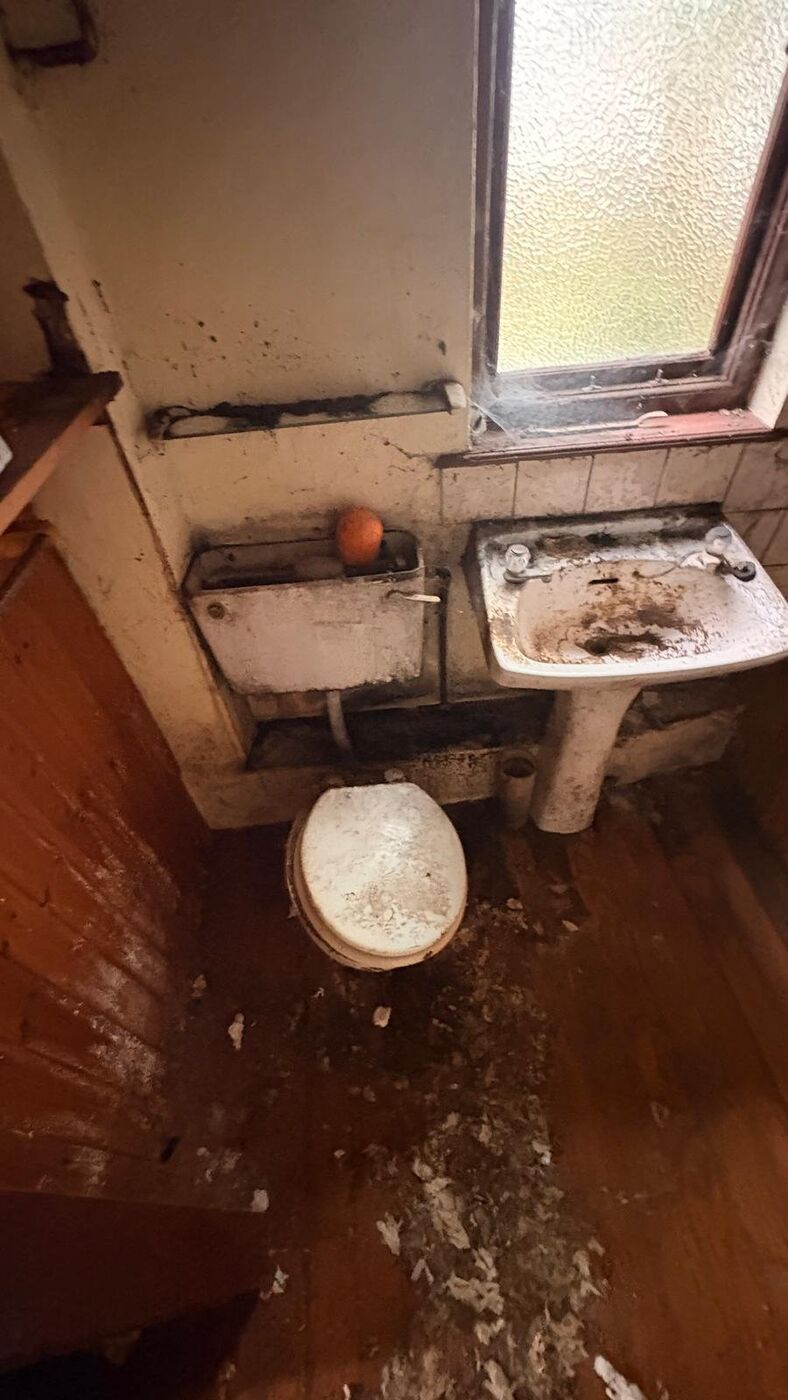
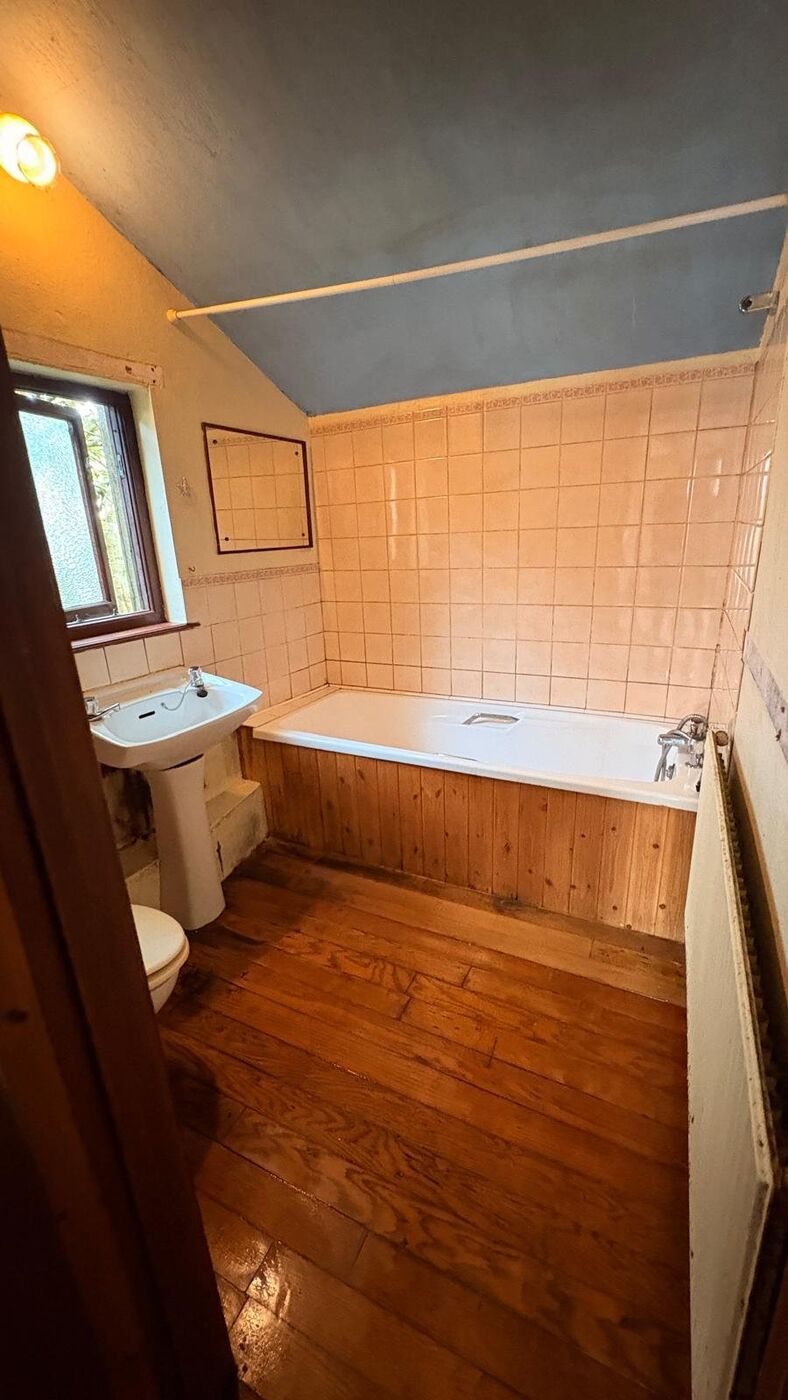
Hoarded properties carry real risks and we go in prepared for them: blocked exits, floors carrying more weight than they were built for, unsafe electrics, rodent activity, and sometimes bathrooms and kitchens that have not been usable for a long time. We do not comment on any of it, but we do plan for it, and we will tell you honestly if we think a property needs a specialist rather than us.
Volume is the other thing. A hoarded three bed house can be five or six van loads where an ordinary one is two. That is what makes the job cost more, and we would rather set that expectation at the quote than surprise anybody on day two.
We still sort as we go. A lot of what comes out of these properties is genuinely reusable, and it goes the same way as everything else we clear, which keeps the disposal bill and therefore the price down.
If you are the relative
A few things that we have watched work, and not work.
Deadlines make it worse. So does clearing while the person is out, which is the single fastest way to lose their trust and to end up with a property that refills. If there is a hard deadline, from a landlord or an environmental health notice, say so early and we will work round it as best we can.
Hoarding is recognised as a mental health condition in its own right, and a clearance on its own does not treat it. Speaking to the person's GP, or to a hoarding support service, alongside the clearance gives the work a much better chance of lasting. We are not qualified to advise on any of that, but we would rather say it than pretend the van solves everything.
Across Cornwall
We are a small team from Hayle, and the people who come and quote are the people who do the work. That matters more here than on any other kind of job, because the person in the house sees the same two faces each day. We cover the county and into Devon, including Camborne, Redruth, Truro, Penzance and Newquay.
If you want to talk it through before committing to anything, that is a normal phone call and we get several a week. Call 07843 930927 or email info@lanorahouse.com.