
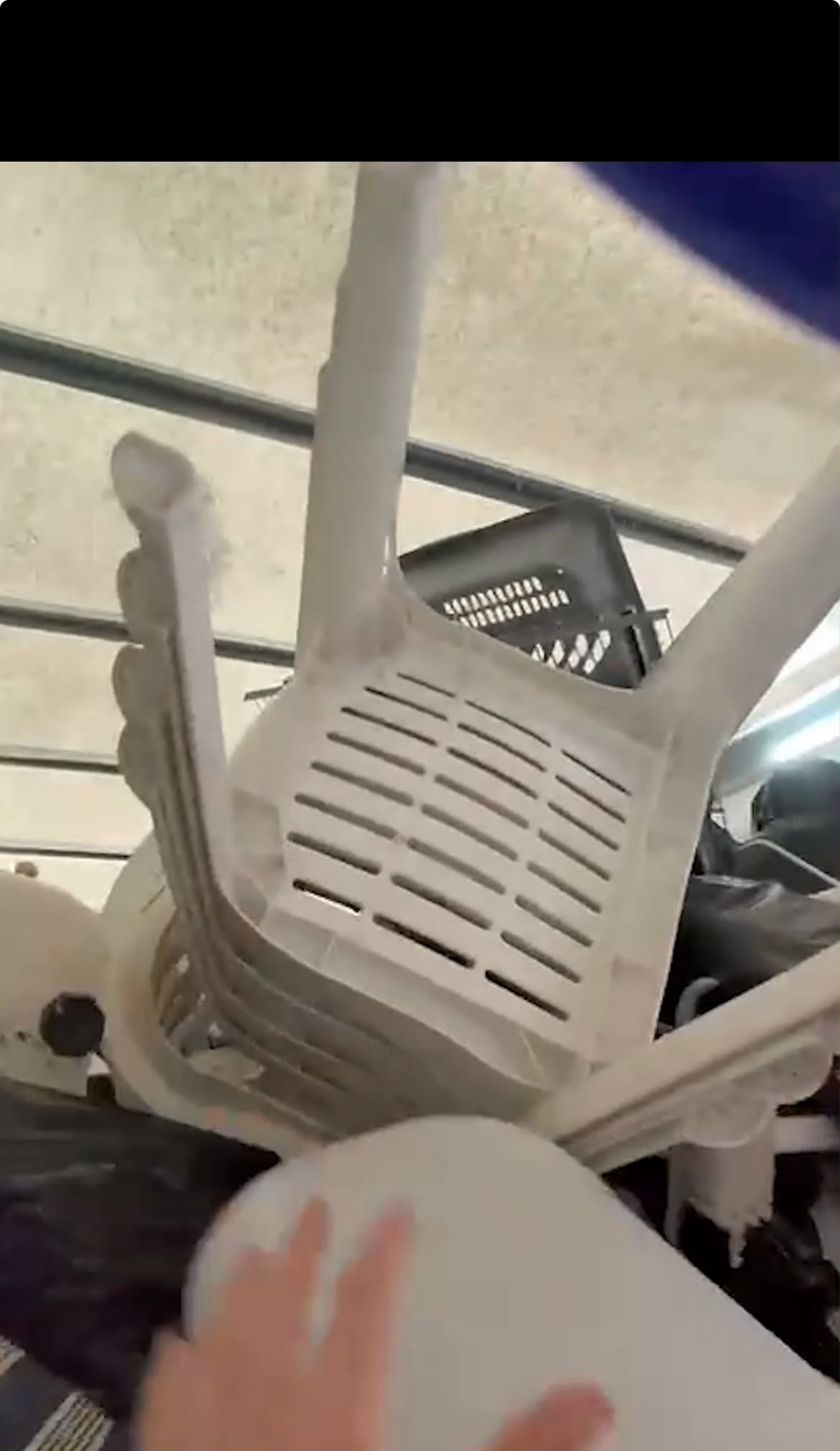
We were called out to a house clearance in St Austell recently that is worth writing about, not because anything dramatic happened, but because it shows exactly where the money goes in a clearance and how some of it can be saved. The property had a lot in it: bagged household bits, garden furniture, office chairs, rugs, curtain poles, boxes of kitchenware, and the usual layers of things that build up in cupboards and under beds. By the end of the day we had tipped in the region of 700kg and still had half a van left that never went anywhere near a waste transfer station. That half a van is the important part.
Why mixed waste is the expensive bit
Most people assume the cost of a clearance is the labour, and labour is certainly part of it. But on a full house the single biggest line is often disposal, and mixed waste is charged by weight. That means the heaviest items in the house set the bill: books, glass, ceramics, tiles, plant pots, old crockery, glass bakeware, tools, and anything with metal or stone in it. A single box of hardback books or a cupboard of dinner plates weighs far more than a whole bedroom of clothes and bedding.
So if everything in a house goes in one van and straight to a mixed waste facility, the customer pays for every kilo of it. That is money spent on things that did not need to be thrown away at all.
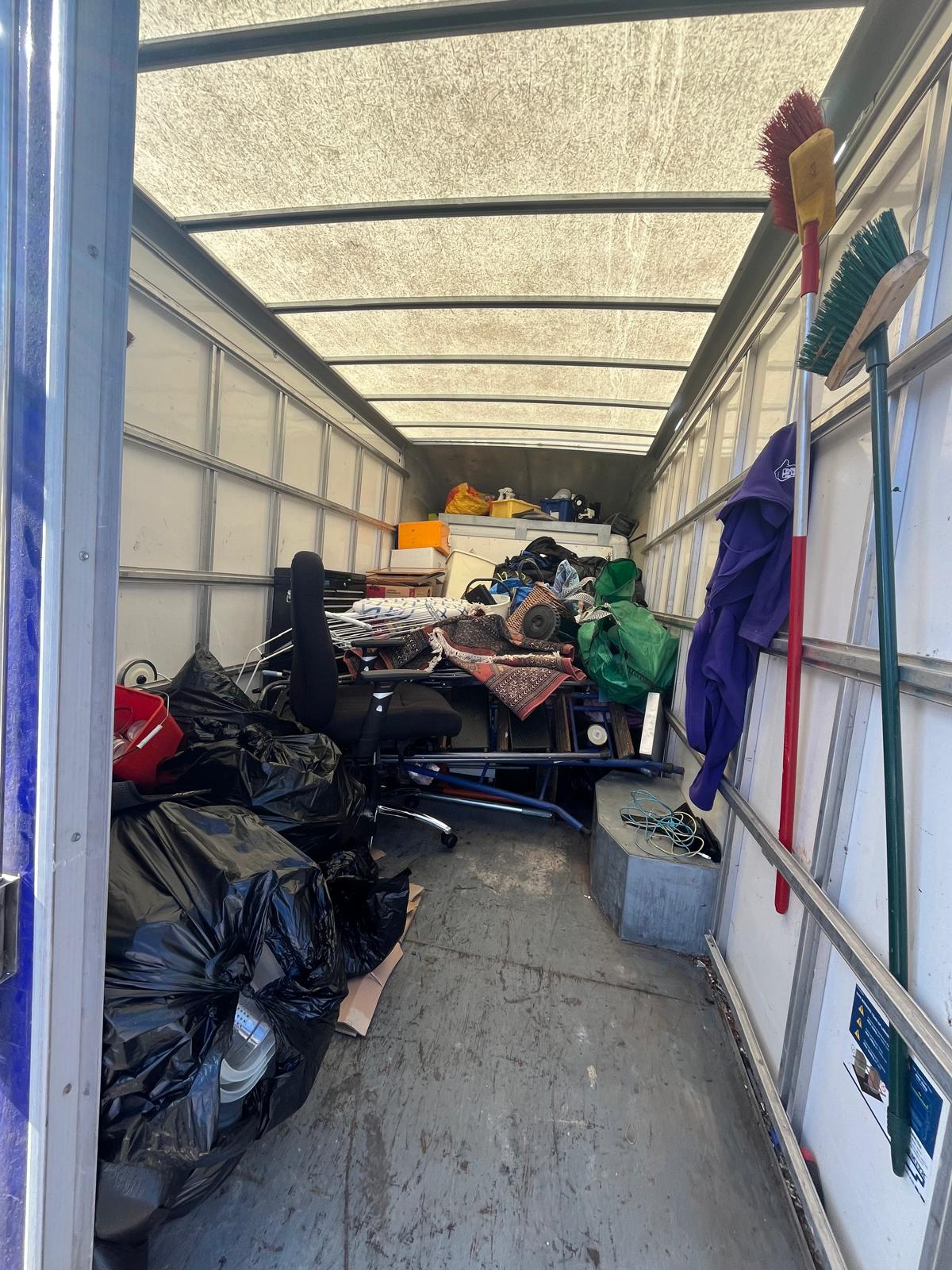
What we held back on this job
On the St Austell clearance we pulled out roughly 200kg of glass and ceramics before anything went to the tip. Plates, bowls, glass vases, ovenware, a Pyrex dish, mugs, plant pots and the like. Instead of being weighed in as mixed waste, all of it came back to our yard in Hayle to be sorted properly. On that one job, keeping that 200kg out of the mixed load took roughly £70 plus VAT off the disposal side of the bill. Not a fortune on its own, but repeat that across a full three bedroom house with a loft, a shed and a garage and it adds up quickly.
The garden furniture came back too. Stackable plastic chairs take up a lot of van space but weigh almost nothing, and there is usually a home for them once they have been washed off.
Sorting, reuse and resale
Back at the yard, glass and ceramics get separated into what can be sold, what can be donated, and what genuinely has to go. Good bakeware, dinner services, decent glassware and anything with a maker's mark on the base goes through our own auctions and resale channels. That does two things at once: it keeps weight out of a mixed skip, and anything that sells comes off the customer's total. People are often surprised at what has a value. Plain kitchen items from the back of a cupboard can be worth more than the ornaments on the mantelpiece.
We are honest about the limits, though. Chipped crockery, broken glass, old mirrors and anything that has been sitting in a damp shed for years has nowhere to go but disposal. That is why 700kg still went to the tip on this job. The aim is not zero waste, it is making sure nothing pays a mixed waste rate when it did not have to.
What this means for your clearance
If you are dealing with a probate sale, an estate agent's deadline or a landlord's void period, ask any clearance company how they handle the heavy stuff. A few specific questions worth asking:
- Do books, glass and ceramics go to mixed waste, or are they sorted?
- Are you licensed waste carriers, and will I get transfer documentation?
- Do resale proceeds come off my bill, and how is that shown to me?
- Is the garden, shed, loft and garage included in the figure?
Every house is different, and the job decides the price. A loft full of paperwork and a garage of paint tins is a very different day to a lightly furnished flat. That is why we always come out and look first, so the figure we give you reflects what is actually in the property rather than a guess over the phone.
If you have a property to clear in St Austell or anywhere in Cornwall and you would like an honest look at it, Lanora House is happy to visit. Call us on 07843 930927 or email info@lanorahouse.com for a free, no-obligation quote.