
Nobody is ready for this part. There is a funeral to arrange, paperwork arriving from organisations you have never dealt with, and somewhere in the middle of it a house full of forty years of someone's life that has to be dealt with by a date somebody else has set.
We do bereavement clearances across Cornwall, and the thing families most often say afterwards is that they wish they had known what order to do it in. So here is that, written plainly. It is not a schedule you have to keep to. It is a way of seeing what genuinely has to happen soon and what you are allowed to leave alone.
The first thing: nothing has to happen this week
Families put themselves under real pressure in the first fortnight, and almost none of it is necessary.
Unless the property is rented and the landlord needs it back, or there is a genuine security problem, the house can sit. Going in to sort through a wardrobe four days after a funeral is not a task, it is an ordeal, and people make decisions in that state that they regret later. The single most common regret we hear is not about something kept. It is about something given away too fast.
If the property is empty, tell the house insurer. Most policies change terms once a house is unoccupied, and that is a five minute phone call that genuinely does need doing early.
Weeks one to three: paperwork before possessions
What matters in the house at this stage is documents, not furniture.
Go round looking only for paper. Bank statements, share certificates, premium bonds, insurance policies, pension letters, the deeds, old chequebooks, anything from a solicitor. Put the lot in one box and take it with you. If probate is needed, that box is what the process runs on.
The other thing to find early is anything small and valuable: jewellery, watches, coins, medals, cash in the places people of that generation kept cash. Not to value yet. Just so it is not sitting in an empty house.
Do not throw anything away in this phase. You are gathering, not clearing.
Weeks three to eight: the keepsakes pass
When you are ready, and only then, go through the house for the things people actually want. Photographs, letters, a particular chair, the tools, the recipe book with the handwriting in it.
A few things that help:
- Do it with somebody. Not to speed it up. It is easier with another person in the room.
- Decide room by room, not item by item across the whole house, or you will be standing in the hallway at four o'clock having moved three things.
- Get the family's list first. If a sister in Bristol wants the dresser, far better to know now than to find out after it has gone.
- Photograph rooms before you start. People are glad of it later, and it settles arguments about what was there.
- Open everything. Envelopes in coat pockets, tins on top of wardrobes, the back of the airing cupboard. We find money and jewellery in all three regularly.
If probate is involved there is a valuation question sitting behind all of this, and it is worth understanding before things start leaving the house. We cover that separately in our post on valuing house contents for probate.
What you do not have to sort
This is where families exhaust themselves, and it is avoidable.
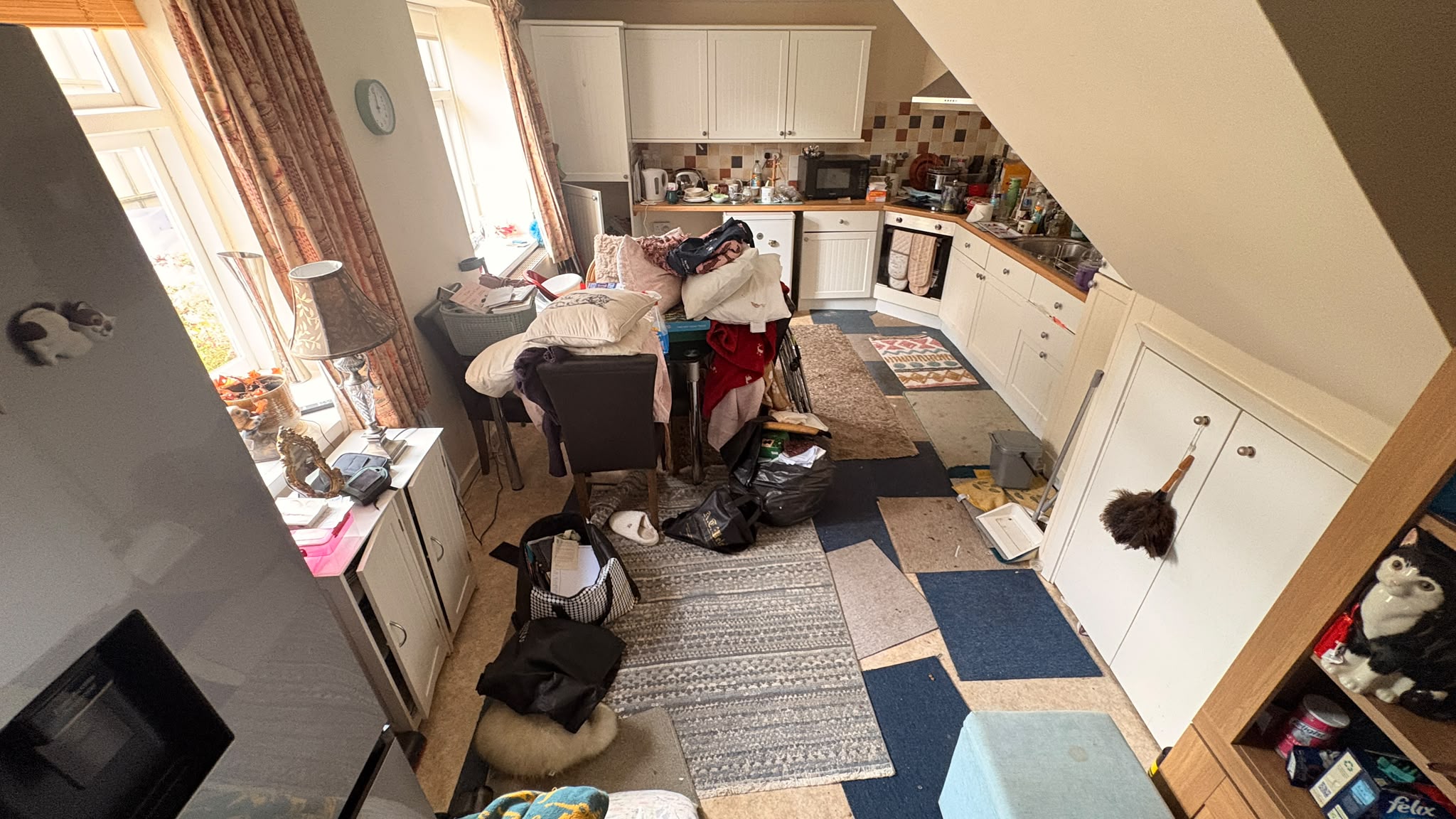
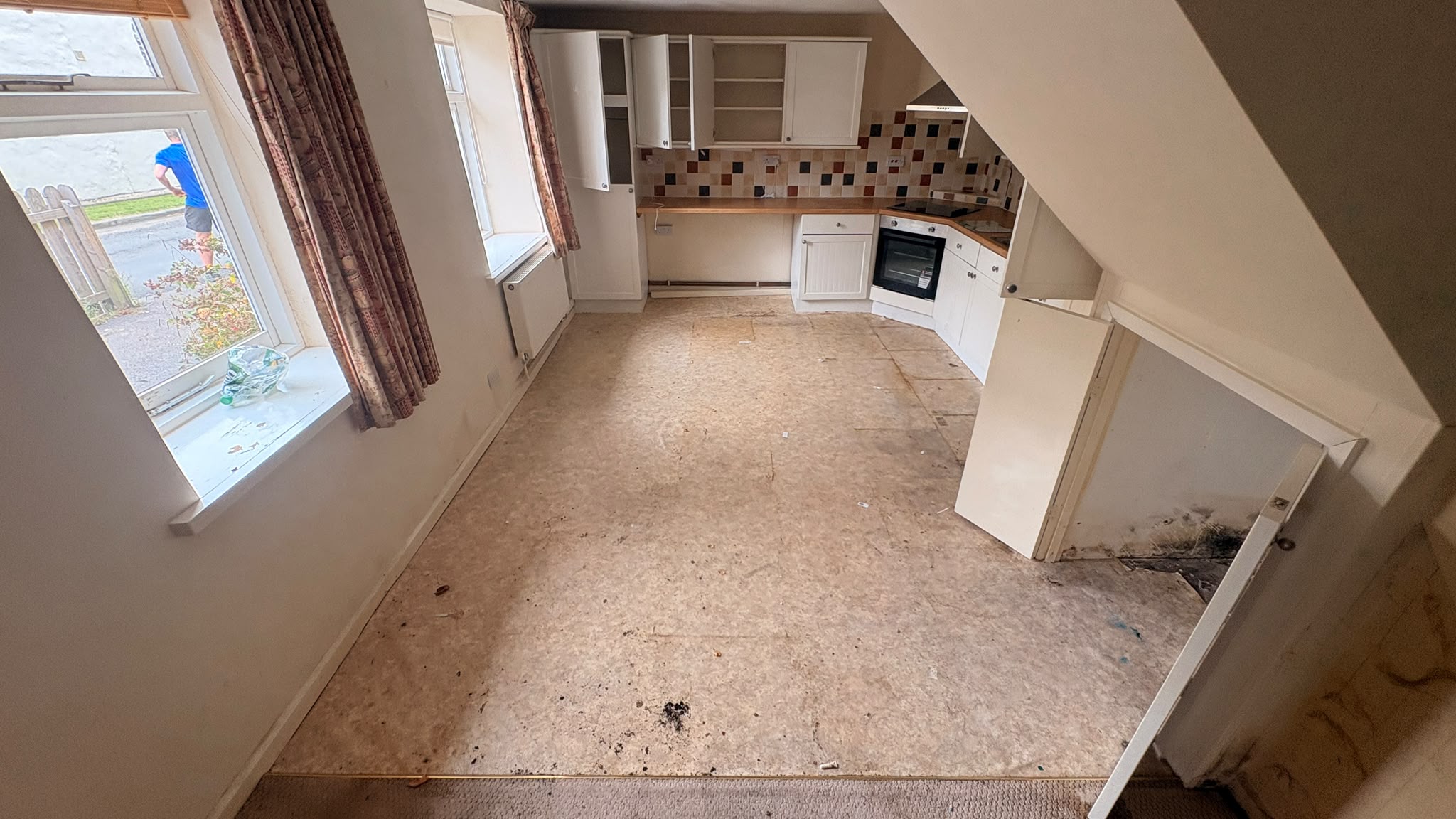
You do not have to empty the wardrobes into bags for a charity shop. You do not have to take the crockery to a recycling centre, or strip the beds, or separate the garage. That is the job you are paying a clearance firm to do, and we sort as we go anyway because that is how two thirds of what we clear stays out of landfill.
Take out what matters to you. Leave the rest exactly where it is. A house that looks untouched is a normal clearance to us and it is not a reflection on anybody.
Where we come in
We come and look first, free, no obligation. That visit is not a sales call. Usually it is mostly us listening while someone explains what the house is and what the deadline is, and it ends with a written price.
On the day, a clearance of an ordinary three bed house in Cornwall is one to two days. You do not have to be there. Plenty of families cannot face it, and some live a long way off, so we work from keys and send photographs. Others want to be there the whole time. Both are completely normal.
If we find anything that looks personal or important once we are working, it stops and comes to you. Paperwork, photographs, jewellery, medals. That happens on most jobs, because those things turn up in the places nobody thinks to look.
The cost, honestly
Items of value we recover go to our own auctions and resale channels and that value comes off your clearance cost. Where a piece is better suited to auction, antiques or jewellery for instance, the proceeds come back to you after the sale.
It means a bereavement clearance often costs less than people brace themselves for, and occasionally nothing at all. It also means we will tell you when a house has nothing of value in it, because pretending otherwise would be a poor way to treat somebody in this position. Our post on probate clearance costs sets out the ranges.
If you are dealing with this in Cornwall
We are a small team based in Hayle and we cover the whole county and into Devon, from Penzance and Truro to Bodmin, Launceston and Plymouth. The people who come and quote are the people who do the work.
There is no rush from our end. Ring when you are ready, on 07843 930927, or email info@lanorahouse.com. If you just want to ask what is involved and book nothing, that is a perfectly good reason to call.