
Here is the part of a house clearance nobody explains at the quote stage, and it is the part that can cost you the most.
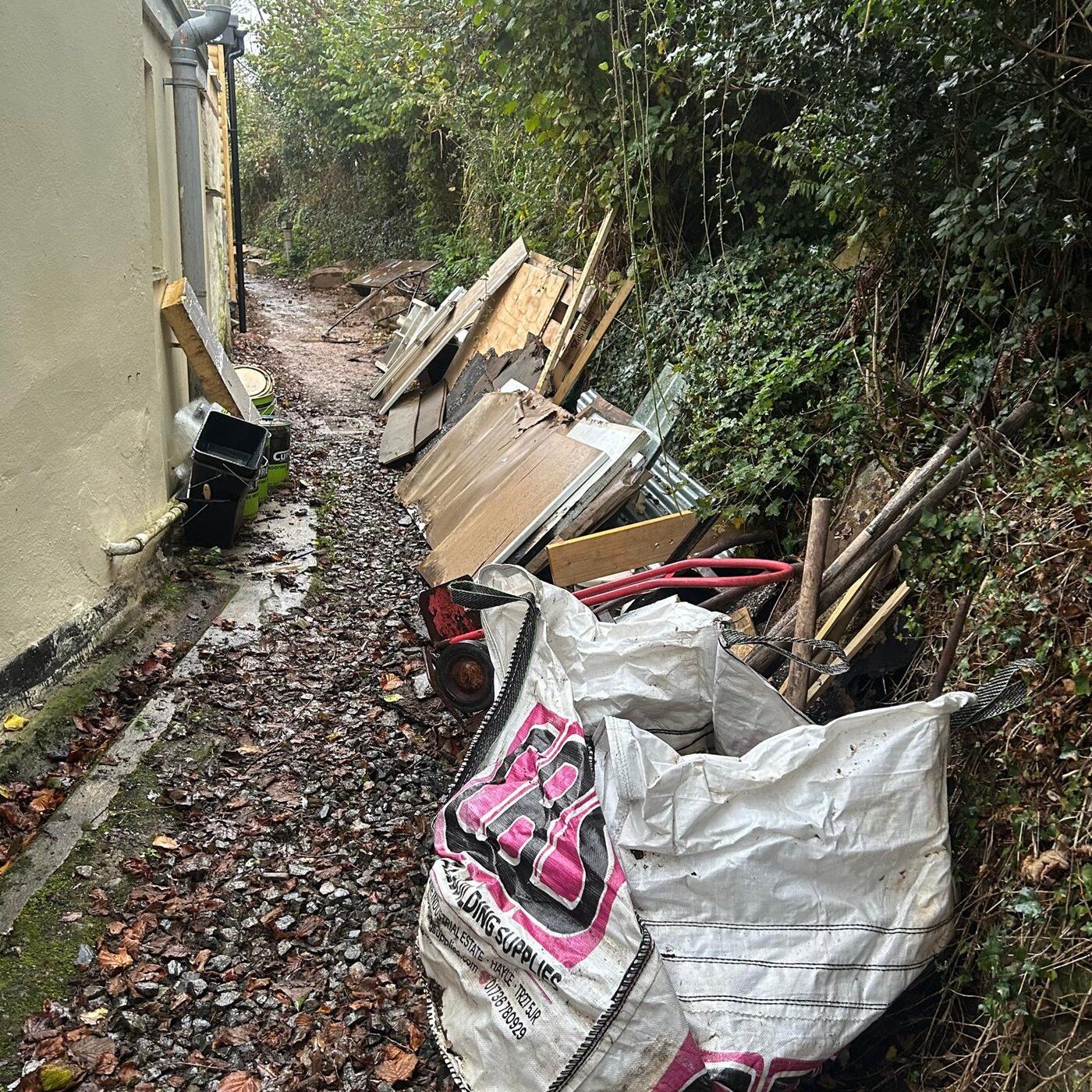
If waste from your property is fly-tipped in a lane, the authorities do not only go after the person who tipped it. They look at where it came from. And if you cannot show you took reasonable steps to check who you handed it to, you can be held responsible for it. Your sofa, your name on the envelope in the pile, your problem.
This is not a scare story we made up to sell clearances. It is the duty of care that sits on every householder and every business in England. Most people have never heard of it, because the clearance company that turned up with a cheap price had no reason to mention it.
What the duty of care actually says
In plain terms: if you produce waste, you have to make sure it ends up with somebody who is authorised to take it, and you should be able to show that you did.
For a householder that is a reasonable-steps test. You are not expected to follow the van. You are expected to have checked that the person taking your waste away was registered to do it, rather than handing it to a stranger with a Transit who quoted forty quid on a local Facebook group.
For a business, a landlord or an executor acting for an estate, the bar is higher and the paperwork is not optional.
The two things to ask for, and how to check them
1. The waste carrier registration
Anybody who transports waste as part of a business in England has to be registered with the Environment Agency. It is not a badge you buy, it is a public register.
Ask for the registration number. Then go to the Environment Agency's public register of waste carriers, type it in, and see whether the name that comes back matches the company standing in your driveway. It takes under a minute and you can do it on your phone while they are looking at the garage.
A legitimate firm will not mind you doing this. We would rather you did.
2. The waste transfer note
This is the receipt for the waste itself. It records who produced it, who took it, what it was, and where it went. You keep your copy.
If your waste is later found dumped somewhere it should not be, that note is the difference between an awkward conversation and a fine. It is the evidence that you did the thing the law asks of you.
We issue one on every job, including a single bagged collection. If you have used a clearance company and cannot find a transfer note, you do not have one.
Why the cheap quote is cheap
Disposal costs money. Every tonne that goes over a weighbridge has a price on it, and that price is the largest variable in any clearance quote. A registered firm paying proper gate fees cannot undercut somebody who is not paying them at all.
So when one quote comes in dramatically below the others, there are only a few explanations. They have misunderstood the job. They are running at a loss. Or the load is not going where you assume it is going.
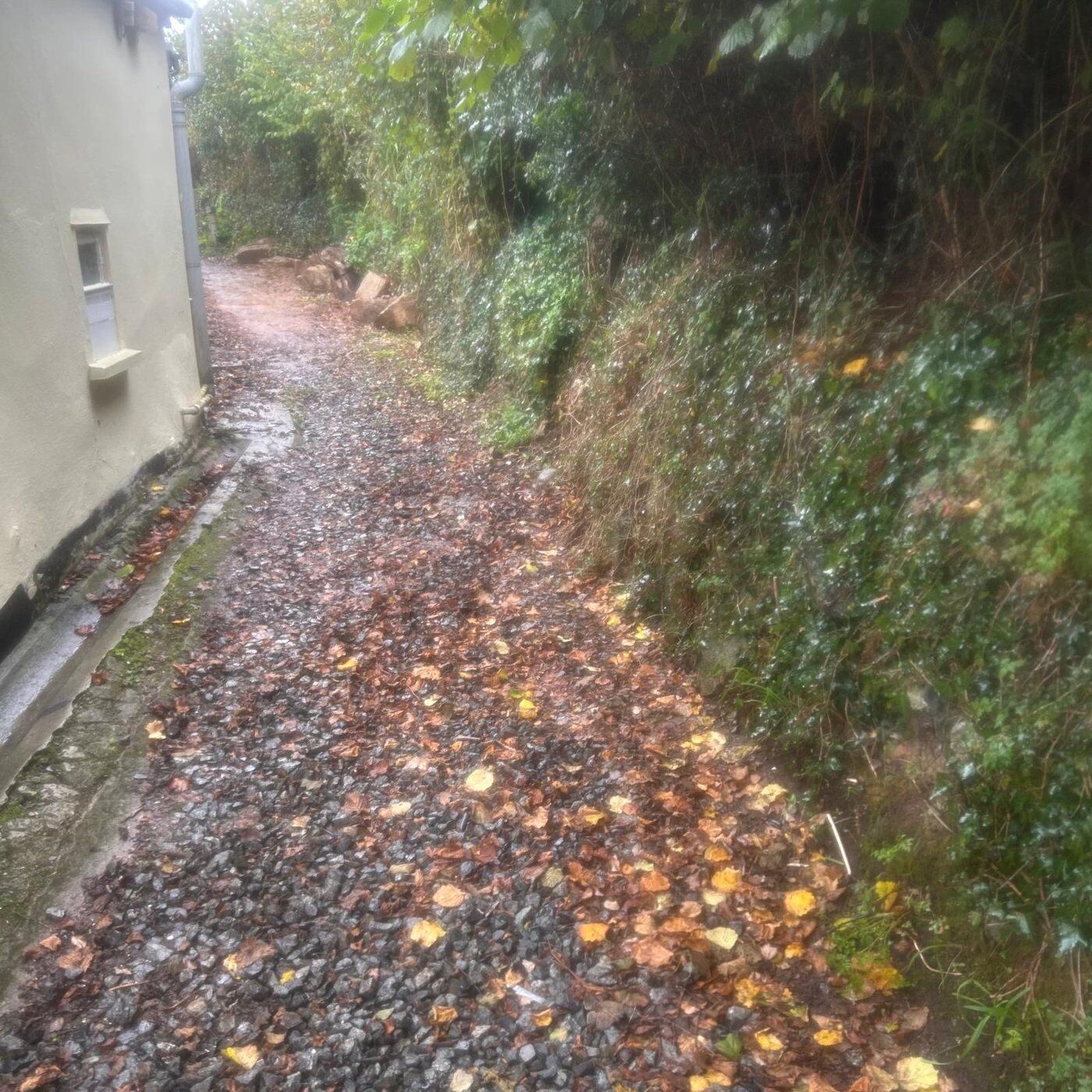
Cornwall has a lot of quiet lanes, and there is a reason the council spends real money clearing them every year. Some of what ends up there was paid for in good faith by somebody who thought they had got a bargain.
The questions worth asking any clearance company
- What is your waste carrier registration number?
- Will I get a waste transfer note, and when?
- Which transfer station or facility does the load go to?
- What happens to anything reusable, and what proportion of a typical job avoids landfill?
- Are you insured, and can I see it?
You are not being difficult. Any firm that does this properly answers all five without hesitating, because they are answers we all have to hand anyway.
What we do with it
We are a registered waste carrier and every job gets a transfer note. Around two thirds of what we clear across our jobs is reused, donated or recycled rather than tipped, which we have written about on our sustainable clearance page.
That is not only an environmental point, it is the reason our quotes come in where they do. Less tipped means a lower disposal bill, and that feeds directly into the price. Items of real value go through our own auctions and resale channels and the proceeds come off your cost.
Solicitors and executors who instruct us regularly get the documentation as a matter of course, because they need it for the file. There is more for them on our page for solicitors.
If you are taking it yourself
Taking your own household waste to a Cornwall Council recycling centre is fine and the duty of care is not an issue. Check the current rules before you set off, though, particularly if you are using a van or a trailer, because access and permit arrangements for larger vehicles are not the same as for a car boot.
Where it becomes a problem is the middle ground: asking a man with a van to take it for you, cash, no paperwork. That is the scenario the rules exist for.
Across Cornwall
We clear houses, garages, lofts, gardens and commercial premises across Cornwall and into Devon, from Penzance and Hayle to Bodmin, Liskeard and Bude. Ask us for our registration number when you ring and check it. Call 07843 930927 or email info@lanorahouse.com for a free no-obligation quote.