
Every clearance company in the country now says it recycles. It costs nothing to say, nobody checks, and the load goes over the same weighbridge either way.
We say around two thirds of what we clear stays out of landfill, so it is only fair that we set out what that means, how we arrive at it, and what we cannot save. If you are choosing a clearance firm, this is the kind of answer you should be asking every one of them for.
The five places things go
Everything that leaves a property ends up in one of five streams, and which one it lands in is decided as we load, not afterwards.
1. Our own auctions
Antiques, jewellery, collectables, anything where the right buyer pays properly. These go through our own dedicated auction. Where a piece is being sold on behalf of a family or an estate, the proceeds go back to them after the sale closes. This is the smallest stream by volume and by some distance the most valuable.
2. Resale
Furniture in decent condition, tools, garden equipment, bikes, usable appliances. The value recovered here comes off the clearance cost, which is the main reason our quotes come in where they do. It is the whole model rather than a bolt-on: the more we save, the less you pay.
3. Charities and local reuse
Clothing, bedding, books, crockery, small furniture. This has to be done properly. Charity shops in Cornwall are not a dumping ground, and a firm that turns up with twelve bags of unsorted clothing has just moved its disposal cost onto a charity. We sort first and only take what will actually sell. We also give £250 a month to a Cornwall charity, and the customers choose which one, which you can vote on from our giving page.
4. Recycling
Metal, glass, cardboard, garden waste, electricals through the WEEE route, and mattresses to the facilities that handle them. This is the largest diverted stream by weight, and it is where sorting on site genuinely pays. Separating glass and ceramics on a clearance in St Austell cut the waste bill on that one job.
5. General waste
What is left. Soiled and damaged soft furnishings, broken flat pack, anything contaminated, anything damp. This is the third we are honest about.
How we count it
It is a figure from our own jobs, not an industry average and not a number off somebody else's website. Loads are weighed at the transfer stations we use, and what goes to auction, resale, charity and recycling is tracked against that.
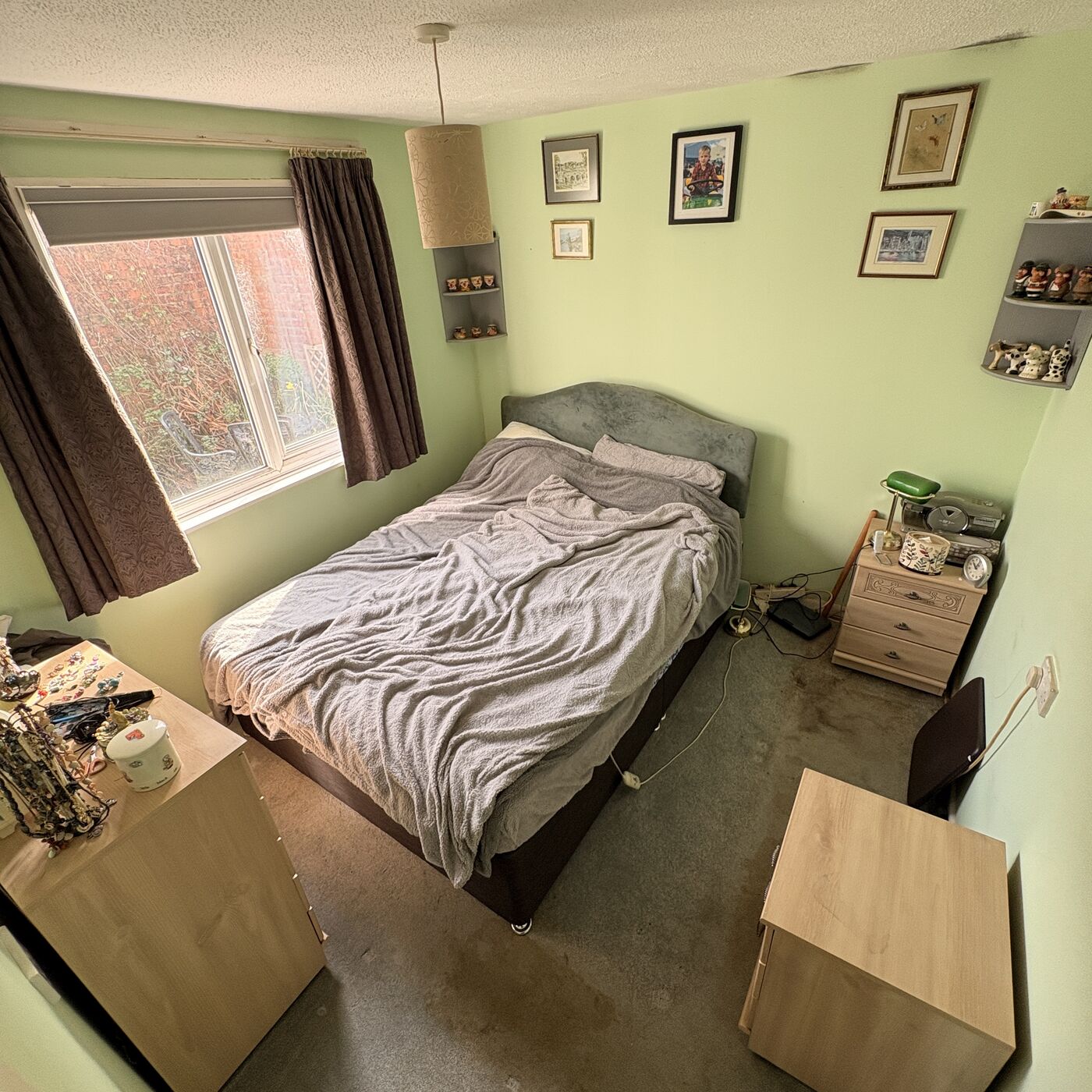
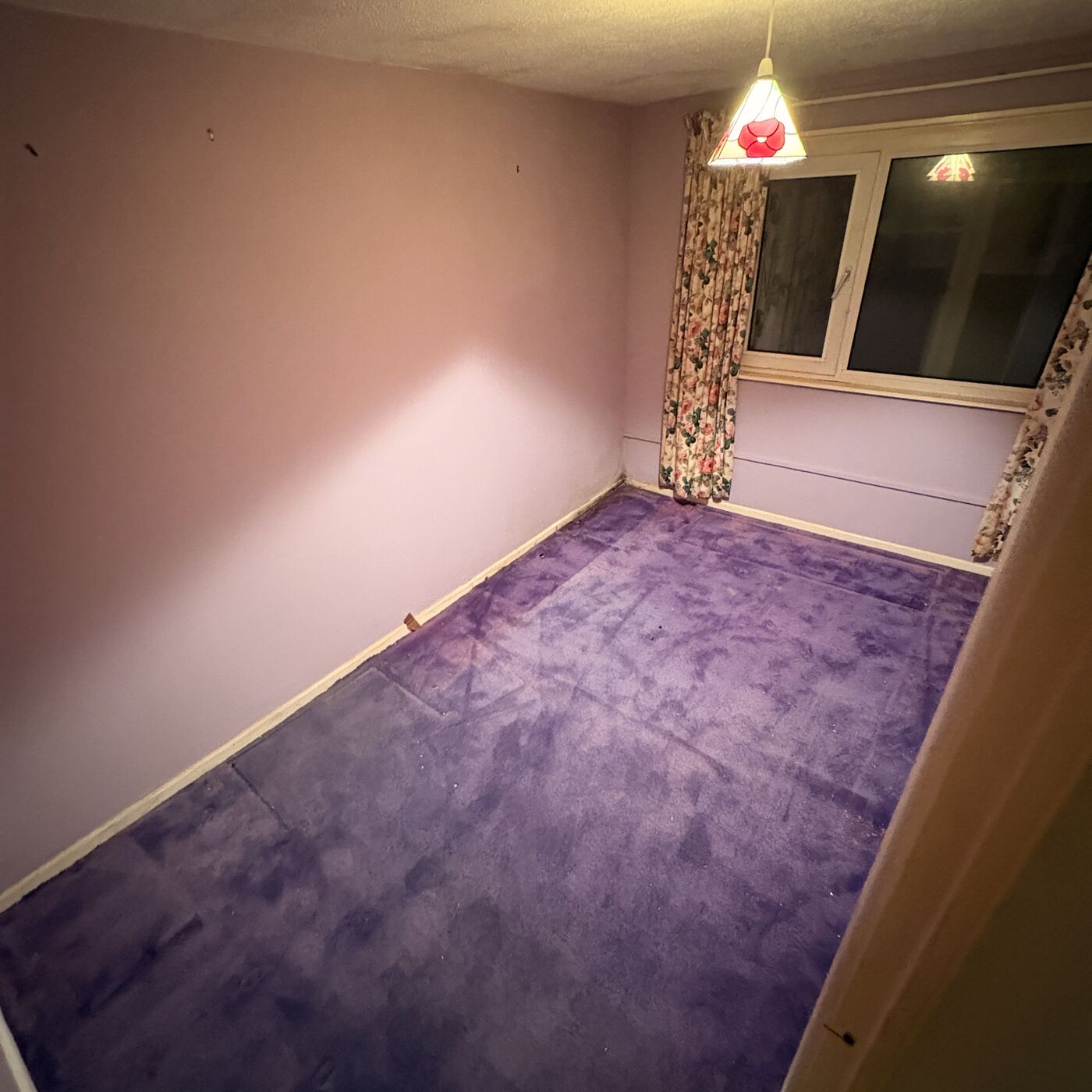
We say around two thirds rather than a decimal place because it varies by job. A tidy downsizing clearance from a well kept bungalow in Hayle can be well over three quarters diverted. A hoarded property that has taken in damp for years can be under half, and no amount of sorting changes that.
Averaging one figure across all jobs would flatter us. We would rather tell you it moves.
What cannot be saved, and why
This is the part firms skip, and it is the part that tells you whether a green claim is real.
- Upholstered furniture without its fire label. Under the Furniture and Furnishings (Fire) (Safety) Regulations 1988, second hand upholstered furniture supplied in the course of a business has to carry the label. No label, no resale, and charities will not take it either. This is the most common reason a perfectly good sofa cannot be saved.
- Anything damp. Cornwall is hard on empty houses. Soft furnishings from a property that has stood unheated near the coast since October are usually finished.
- Most mattresses. Stains, tears, a missing label, a collapsed edge, and it is out. From a probate house where a bed has been slept in for fifteen years, most do not make it. We have written about mattresses at length.
- Brown furniture nobody wants. Dark wood wardrobes and dining suites, well made and solid, with almost no market. It is the genuinely sad category, because there is nothing wrong with the things.
- Old electricals that do not work. They go for WEEE recycling rather than reuse, which is still diversion, but it is not the same as the thing staying in use.
Why this is in your interest, not just ours
Tipping costs money by the tonne. It is the biggest variable in any clearance quote.
So a firm that sorts properly has a lower disposal bill, and a firm with a lower disposal bill can quote lower. That is why we can often come in under companies who take the same house away and tip the lot. The environmental point and the pricing point are the same point.
It also explains something people find odd on the phone: why we ask what is actually in the house rather than just counting bedrooms. Two identical three bed semis in Camborne can differ by hundreds of pounds depending on what is inside them.
What to ask any clearance company
- What proportion of a typical job avoids landfill, and how do you know?
- Where does the reusable material actually go?
- What is your Environment Agency waste carrier registration number?
- Will I get a waste transfer note?
A firm doing this properly answers all four without pausing. There is more on our sustainable clearance page, and you can see real jobs on our before and after page.
We cover Cornwall and into Devon from our base in Hayle. Call 07843 930927 or email info@lanorahouse.com for a free no-obligation quote.